Dream Optimization Guide + Protocol
One question I try to always ask my clients is this: "Do you dream?"

Dreams are symbolic mirrors of your subconscious.
Many psychologists and experts believe that dreams are symbolic, using imagery from your life to represent deeper emotions, conflicts, and experiences. The meaning of these symbols is highly personal and subjective, as they are interpreted through the lens of the dreamer’s individual thoughts, feelings, and life events.
A symbol’s meaning depends entirely on you. A snake could mean fear for one person, transformation for another. The dream is your mind processing emotion, memory, and unresolved experiences in a language only you can truly understand.
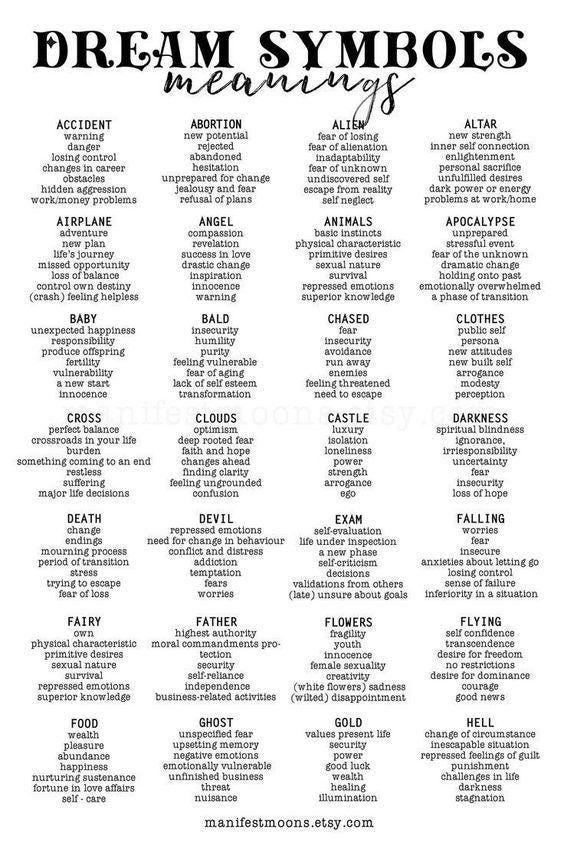
When you interpret a dream and something clicks (that light-bulb moment) - it’s usually your subconscious confirming the message. The people, places, and events in dreams rarely point to their surface equivalents. They represent parts of you, emotions you’ve buried, or situations your waking mind hasn’t yet processed. Dreams are your inner world trying to integrate what your conscious mind can’t yet explain.
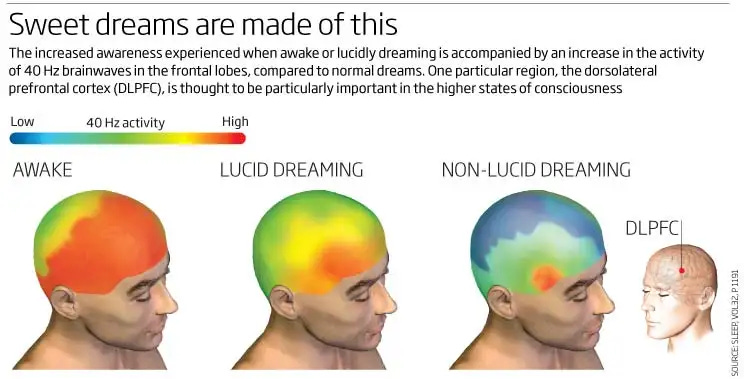
Dreams on a biochemical level are a readout of brain energy, light timing, oxygen use, and the way your neurotransmitters talk to each other during the night. If dreams are thin or missing, something upstream is out of rhythm. If dreams are vivid and coherent, your system is closer to where it should be. Even the specifics around how well you recall your dreams in the morning, how much language there is, how colourful they are, and how things such as sleep paralysis can tie in with specific biochemical imbalances.
This Dream Optimization Guide ties in directly with the Sleep Architecture + Sleep Apnea Protocols that are worth reading and may share some crossovers (also found on Substack):
https://www.skool.com/healthoptimization/sleep-architecture-protocol
https://www.skool.com/healthoptimization/the-ultimate-guide-to-sleep-apnea
This blog will dive into the biochemistry and biophysics of dreaming and sleep stages, and outline how to optimize them in order to restore healthy, vivid dream states.
Start with the basics that most people get wrong about sleep stages.
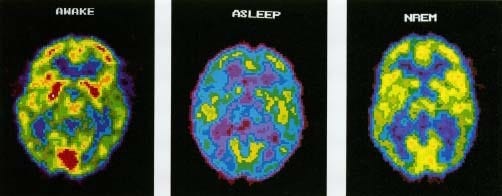
You move through NREM 1—3 and then into REM and this cycles throughout your sleep
NREM3 (also known as slow-wave sleep) is higher in early sleep, specifically in the first half of the night, and the duration of these deep sleep stages decreases as the night progresses.
As you continue to sleep, the time spent in REM sleep becomes more prevalent, and during REM sleep, your cortex is not quiet as opposed to other states.
It is active and looks a lot like wakefulness on the EEG scan. So when someone says your dreams are weak because your brain waves are not low enough, that is a surface-level take.
Vivid dreaming does not come from pushing brain waves “down.” It comes from coordinated dance of neurotransmission, balanced inhibition, healthy acetylcholine bursts, and a clean pattern of oxygen tension across the night. The REM machinery needs energy and precision more than it needs sedation.
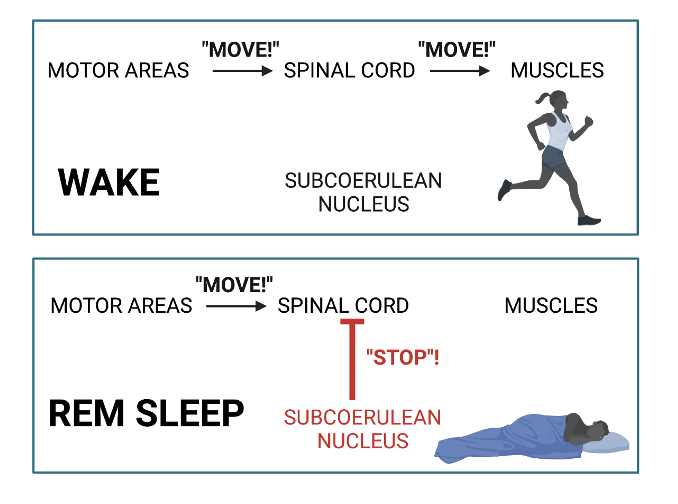
You need the inhibitory system to be strong enough to allow REM atonia, to keep muscle tone low, and to prevent runaway arousal. You also need the cholinergic system to be strong enough to light up neocortical networks that encode language, memory, and internal narrative. Both systems need to cooperate, and that cooperation is the architecture you are really after.
Let’s dive deeper into how all of this works — and how you can restore your dreams not only to improve sleep, but to reconnect with the subtle symbolic messages the universe is always offering.